
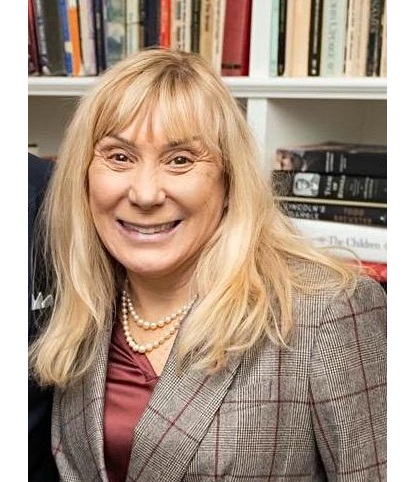
Andrew Alfred de Vegvar was a man whose name carried echoes of old European nobility.
Born in the early 20th century, he bridged worlds: tradition and modernity, art and industry.
He was raised in a family that valued intellect, refinement, and public service.
His ancestors hailed from Hungary, where the de Vegvar lineage once owned estates near the Danube.
Young Andrew’s curiosity led him to study law and international relations.
After graduating from Yale, he began a career in diplomacy during the turbulent postwar years.
He helped negotiate trade agreements that shaped Europe’s economic recovery.
Yet he never abandoned his love for the arts and often supported emerging artists.
Friends described him as gracious but fiercely principled.
In New York, he hosted salons that drew thinkers, poets, and foreign dignitaries alike.
He believed that cultural exchange could build bridges politics alone could not.
Later in life, he focused on philanthropic ventures in education and cross-cultural dialogue.
He published essays on European identity and transatlantic cooperation.
Andrew Alfred de Vegvar passed away in 1989, leaving behind a legacy of thoughtful diplomacy and cultural patronage.
His name endures among those who cherish dialogue, art, and the hope of a more connected world.