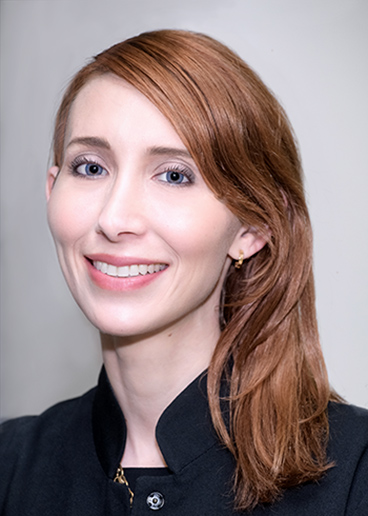
Jacqueline Natalie de Vegvar is a physician, public health advocate, and humanitarian dedicated to systemic change in global health, women’s empowerment, and refugee justice. Trained in medicine and public health at Columbia University, she combines academic rigor with real-world experience—working directly with orphans in post-communist Romania, and most recently with Afghan and Ukrainian refugees in Pakistan and Eastern Europe.
Jacqueline is also an alumna of NYU’s Tisch School of the Arts, where she honed her storytelling skills and deepened her commitment to advocacy through creative media. Her multidisciplinary background informs her unique approach to leadership—one that unites science, compassion, and strategic communication.
She is the granddaughter of Baron Francisc Neuman, a Holocaust-era hero and philanthropist whose legacy of justice and resilience shapes her life’s work. Inspired by this lineage, Jacqueline founded the Neuman Foundation to carry forward her family’s mission: advancing dignity, opportunity, and healing across borders.
Through the Foundation, she champions vulnerable populations—especially women and children—via direct aid, legal advocacy, education, and trauma-informed care. She is also the founder of the upcoming Neuman Institute for Leadership, Resilience, and Justice, which aims to redefine systems of care and inclusion on a global scale.
Her written work includes publications on trauma, global health, and justice reform, with upcoming books focusing on her memoir (Silence Has a Sound) and the untold history of the Neuman family’s legacy of leadership. Jacqueline is the author of the forthcoming memoir Silence Has a Sound, a deeply personal and timely exploration of what happens when truth is silenced — in institutions, in families, and within ourselves. The book traces her journey through elite academic and medical spaces, where she confronted research fraud, gaslighting, and systemic failures, yet refused to abandon her commitment to integrity and justice.
Following a period of personal adversity—including her fight against fraud and silencing within an academic lab—Jacqueline has recommitted to her life’s mission with renewed clarity. Her work blends medical insight, trauma-informed care, storytelling, and cross-border advocacy. In recent years, she has worked directly with Ukrainian and Afghan refugees, launched projects for the empowerment of women under Taliban rule, and supported the restitution of stolen family property in Romania.
The memoir also illuminates the spiritual and psychological toll of whistleblowing and survival — themes that directly inform her trauma-informed humanitarian work today. Silence Has a Sound is not only a story of personal resilience but a rallying call for transparency, ethical leadership, and healing.